

Last Updated: October 25, 2026
Quick Summary
Quality trendy clothing balances current style, durable construction, and affordable pricing by combining natural or blended fibers with reinforced stitching, even hems, and secure hardware. You can verify quality trendy clothing in minutes by inspecting fabric weight, seam straightness, and checking product photos and customer reviews for construction details.
- Check fabric weight and fiber content on the label; substantial fabrics that don't show through easily last longer
- Inspect stitching for straightness and tightness; double or triple-stitched seams are stronger than single-stitched
- Read customer reviews for patterns; multiple mentions of pilling, shrinking, or seam failure indicate real quality issues
- Examine product photos for close-ups of seams and hems; quality sellers show construction details confidently
- Align fit with your body type and care habits; poorly fitting garments stress seams and fail faster
Table of Contents
- Understanding Quality Trendy Clothing
- How to Tell if Clothes Are Well Made: Key Inspection Points
- How to Identify Quality Clothes Online and in Store
- Balancing Trendiness, Quality, and Price
- Best Online Clothing Stores for Trendy Clothes
- Assessing Fit and Durability for Your Body Type
- Start Shopping for Trendy Quality Clothing Today
- Frequently Asked Questions
Understanding Quality Trendy Clothing
Finding quality trendy clothing is about balancing three competing demands: style that feels current, construction that lasts, and a price tag that doesn't break the bank. At Mysfitz Market, we understand that most shoppers want all three, but they don't know where to start looking or what signals actually matter when assessing garments online or in a store.
The problem isn't a shortage of options. According to researchers at Harvard examining personality and fashion decisions, the clothes you choose reflect your identity and situate you within social hierarchies, which means the stakes feel higher than they should for a simple purchase.
The good news: quality trendy clothing follows predictable patterns. You can learn to spot well-made garments in minutes. You can verify quality from a product photo. And you can find pieces that stay relevant for seasons, not weeks.
How to Tell if Clothes Are Well Made: Key Inspection Points
Quality construction separates garments that hold up from those that fall apart after a few washes. The difference isn't always obvious at first glance, but it becomes obvious fast once you know what to look for.
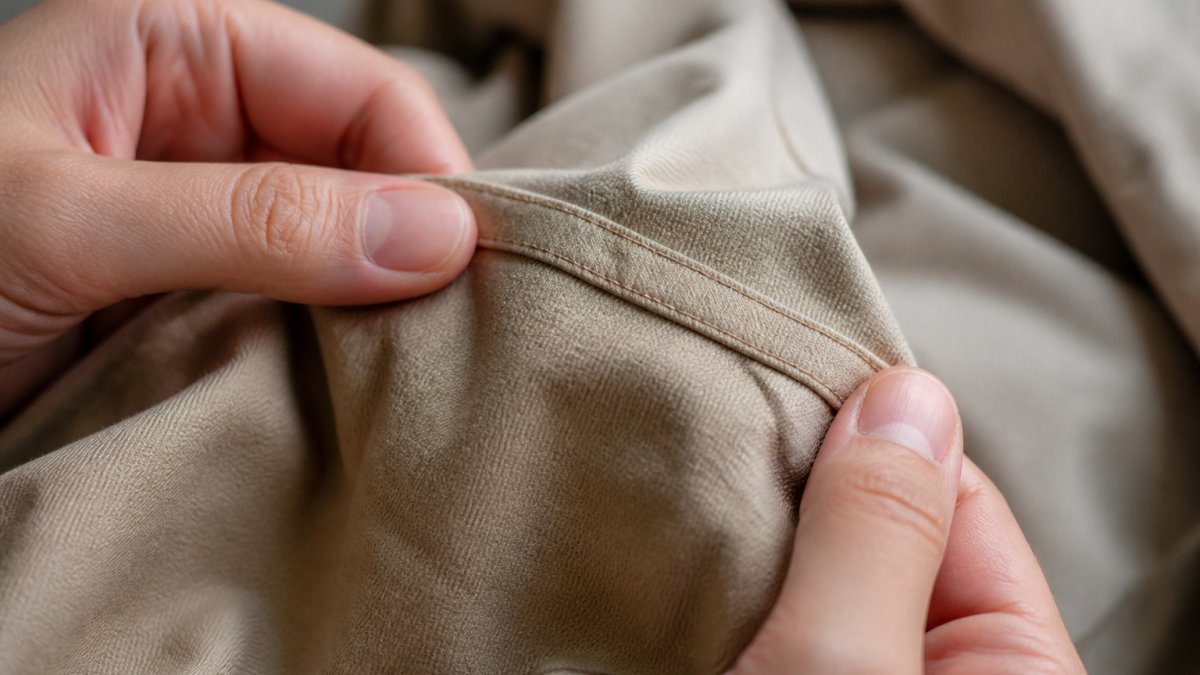
Check Fabric Quality and Fiber Content
Start with the label. The fiber content tells you what the garment is actually made from, and natural fibers behave differently than synthetics. Cotton breathes and softens with wear. Polyester resists wrinkles but can feel plastic-like. Wool insulates but requires careful washing.
Feel the fabric between your fingers. Weight matters. A flimsy fabric that feels thin and papery will pill and stretch out of shape. Quality garments have fabric with substance, they feel substantial without being stiff. Hold the fabric up to light.
Check the label for care instructions. Garments requiring hand washing or dry cleaning demand more maintenance. If you're shopping for everyday wear, prioritize machine-washable pieces unless you're committed to the care routine.
Examine Stitching and Seams
Run your finger along the seams. Quality stitching is straight, even, and tight, no loose threads or gaps. Poor stitching looks wavy or has inconsistent spacing. Seams should be reinforced, meaning the thread runs through multiple times for strength.
Check inside seams and hems. Factories that cut corners often have visible loose threads or unfinished edges inside. Quality garments have clean, finished interiors. Seams should be flat and smooth, not puckered or bunched.
Look at how seams are finished. Flat-fell seams (where one side is folded and sewn flat) are stronger than simple seams. French seams (where raw edges are enclosed) are more durable and look cleaner. These details signal that the maker invested in construction quality.
Inspect Hems, Buttons, and Zippers
Hems should be even and straight. Crooked or uneven hems suggest rushed manufacturing. Feel the hem from the inside, quality hems are finished smoothly without poking threads or rough edges.
Buttons should be sewn on securely with multiple passes of thread. Cheap buttons are glued or sewn with a single thread that breaks easily. Check that buttons are aligned properly and sewn through all holes. Zippers should slide smoothly without sticking or catching. Test the slider, it should move freely but not so loosely that it falls apart.
Quality construction depends on several key factors you can evaluate by inspecting fabric, stitching, and hardware.
| Inspection Area | What to Check | Sign of Quality |
|---|---|---|
| Fabric | Weight, texture, opacity | Substantial feel, doesn't show through easily |
| Stitching | Straightness and spacing | Even, tight, no loose threads or gaps |
| Seams | Reinforcement and finish | Double or triple-stitched, flat-fell or French seams |
| Hems | Evenness and interior finish | Straight edges, smooth inside without rough threads |
| Buttons | Attachment and alignment | Sewn securely with multiple passes, properly aligned |
| Zippers | Slider operation | Moves freely without sticking or catching |
How to Identify Quality Clothes Online and in Store
Shopping online removes your ability to feel fabric or inspect seams in person. Shopping in stores gives you tactile feedback but limited selection. Both channels require different verification strategies.
In-Store Inspection Checklist
When you're in a store, use these steps to evaluate a garment before buying:
- Feel the fabric weight and texture between your fingers for at least 10 seconds
- Hold the garment up to light to check opacity and weave consistency
- Inspect seams for straightness, tightness, and reinforcement
- Check the hem for evenness and clean finishing on the inside
- Test zippers and buttons for smooth operation
- Look at the label for fiber content and care instructions
- Try the garment on and assess fit across the shoulders, waist, and length
- Sit down and move around to check for strain points or pulling
Research from academic work on dress and person perception notes that dress has received limited attention in research partly because evaluating garment quality involves multiple dimensions, fabric, construction, fit, and durability, that don't fit neatly into traditional study designs. This complexity is exactly why a checklist helps. It forces you to evaluate systematically instead of relying on gut feeling.
Verifying Quality From Online Product Listings
Online shopping requires detective work. You can't feel the fabric, but product photos, descriptions, and reviews tell a story if you know what to read.
Examine product photos closely. Look for close-ups of seams, hems, and stitching. Quality product photos show these details because the maker is confident in construction.
Read the fiber content in the product description. If it's not listed, that's a red flag. Reputable sellers provide detailed fiber breakdowns.
Study customer reviews for patterns. Look past the five-star praise and one-star complaints. Mid-range reviews (three to four stars) often contain the most useful detail. Readers mention if garments pill, shrink, or fall apart.
Check product descriptions for specific details. The Slim-Fit Stretch Jeans with Graffiti Design from Mysfitz Market, for instance, specifies that the jeans are made from high-quality cotton with stretch, which tells you both the fiber content and that you're getting durability with flexibility.
Slim-Fit Stretch Jeans with Graffiti Design →

Look for transparency about production. Sellers who disclose where garments are made, what standards they meet, or who made them are signaling confidence in quality.
Balancing Trendiness, Quality, and Price
The three factors, trendiness, quality, and price, almost never align perfectly. You're always making trade-offs. Understanding those trade-offs helps you spend money smarter.
Trendy pieces age fast. A garment that feels current this season may look dated in 18 months. This is where cost per wear matters.
Quality garments stay relevant longer. A well-made, classic piece in a neutral color, a white button-up, navy blazer, or black trouser, stays wearable for years.
Price reflects both quality and brand. Designer brands charge for the name and trend-setting ability, not just construction. Mid-range retailers balance quality and affordability.
According to the ThredUp 2026 Resale Report, Gen Z and Millennials now attempt to resell more than half of their closets, which signals that shoppers are thinking about garment longevity and value.
Why shop at curated lifestyle marketplaces? A curated marketplace does the filtering work for you. Instead of sorting through thousands of options, curated sellers pre-select pieces that meet quality standards.
Best Online Clothing Stores for Trendy Clothes
Finding the right store matters because different retailers prioritize different things. Some focus on trend-setting. Others prioritize durability. Many split the difference.
Mysfitz Market offers a one-stop approach to trendy clothing with pieces designed for both style and longevity. The selection includes statement pieces like the Slim-Fit Stretch Jeans with Graffiti Design, which combines high-quality cotton with contemporary styling, and everyday staples like the Pluzi Set in lightweight polyester, which works across seasons.

For deeper guidance on evaluating quality across all product types, explore our full guide to choosing quality online products. It covers the same inspection principles applied to different categories, so you can apply the same standards whether you're buying clothing, accessories, or home goods.
The Lace High-Neck Top for Women from Mysfitz Market is another example of balancing trendiness and quality. It comes in multiple colors and sizes, the lace detailing adds visual interest, and the lightweight construction (190 grams) means it layers well across seasons.
Assessing Fit and Durability for Your Body Type
Fit affects durability. A garment that fits poorly will be stressed at seams and hems, causing faster wear and tear.
Check size charts carefully. Different brands size differently, and international sizing varies. Mysfitz Market provides detailed size charts with measurements in centimeters, which removes guesswork.
Consider your body type when choosing fit styles. Slim-fit garments work well for some body types and create strain for others. Relaxed-fit pieces distribute stress differently than fitted ones.
Test garments for strain points. Sit, bend, and move in the fitting room. If fabric pulls across the chest, back, or thighs, the fit is wrong.
Durability depends partly on how well the garment fits your lifestyle. A piece that fits perfectly but requires dry cleaning won't last long if you machine wash it out of convenience.
Start Shopping for Trendy Quality Clothing Today
Finding quality trendy clothing isn't complicated once you know what to look for. Inspect fabric weight and fiber content. Check stitching and seams for straightness and reinforcement. Assess fit across your body type.
The real skill is balancing trendiness with quality and price. Trendy pieces don't need to be expensive, but they do need to survive frequent wear during their relevant window.
At Mysfitz Market, we've curated a selection of trendy clothing pieces like the Slim-Fit Stretch Jeans with Graffiti Design and the Pluzi Set that combine contemporary styling with construction quality.
Finding quality trendy clothing requires balancing multiple priorities, and most shoppers do it alone. Mysfitz Market simplifies the process by offering pre-vetted pieces across multiple style categories in one place.
Frequently Asked Questions
How can you tell if clothing is good quality?
Check the fiber content on the label, natural fibers like cotton and wool tend to last longer than low-quality synthetics. Examine stitching closely; straight, tight seams indicate quality garment construction. Feel the fabric weight and stretch; heavier fabrics and those with good stretch recovery hold up better over time. Look at hems, buttons, and zippers to ensure they're secure. Quality trendy clothing balances durability with current style, so inspect these details before buying.
What should you check before buying clothes online?
Read the product description carefully for fiber content and fabric weight. Check customer reviews for feedback on fit, durability, and how well colors hold after washing. Look at multiple product photos from different angles to assess construction quality. Verify the size chart and compare measurements to your own; sizing varies by brand and region. Research the retailer's return policy and shipping costs, especially if ordering internationally, to ensure you can return items that don't meet your expectations.
How do you choose trendy clothes that suit your personal style?
Start by identifying current trends that align with your lifestyle and body type, not every trend works for everyone. Look at how items are styled in product photos and customer reviews to see them in real-world contexts. Consider cost per wear: a trendy piece you'll wear often provides better value than a one-season wonder. Quality trendy clothing means choosing pieces with classic silhouettes and timeless colors as a base, then adding trend-forward details through accessories or secondary pieces that can be updated seasonally.
Why is fabric weight and fiber content important when finding quality trendy clothing?
Fabric weight determines how well a garment holds its shape and resists wear and tear. Heavier fabrics generally last longer and feel more substantial. Fiber content directly affects durability, care requirements, and comfort. Natural fibers like cotton and wool breathe better and often age well, while synthetic fibers like polyester offer easy care and stretch recovery. Understanding these details helps you assess whether a trendy piece will remain wearable beyond one season, making it a true investment in your wardrobe.
